

 EN
EN  ES
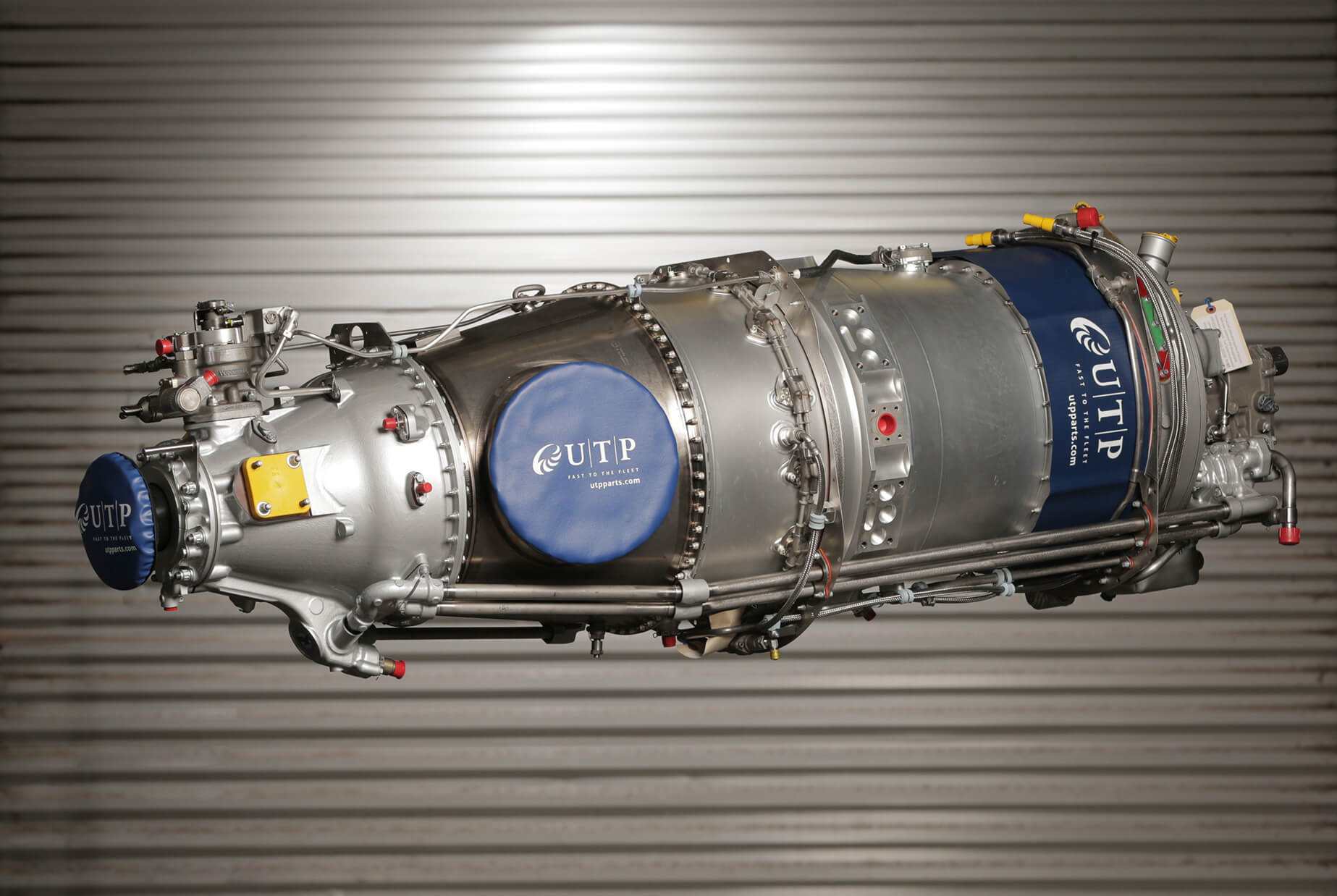
ES UTP supplies PT6 turboprop engines in new, used, and overhauled condition with verified logbooks, FAA traceability, and rapid sourcing through global MRO and operator networks. Most PT6 engine requests are matched within days based on variant, condition, and mission profile.
How PT6 Engines Are Actually Sourced and Matched
Unlike static inventory listings, most PT6 engine transactions are fulfilled through active sourcing networks rather than fixed on-shelf inventory.
UTP maintains ongoing relationships with overhaul facilities, fleet operators, leasing groups, and engine brokers across North America, Europe, and Asia-Pacific. This allows access to engines that are not publicly listed—including recently removed fleet engines, overhauled units released directly from MRO facilities, and core engines positioned for exchange or rebuild.
For common PT6 variants, qualified options are typically identified within 5 to 15 business days, depending on condition and availability. This approach gives buyers access to a broader and more current market than traditional listings while maintaining documentation and compliance standards.
Why the PT6 Remains the World’s Most Trusted Turboprop Engine
The PT6 engine family has accumulated more flight hours than any other turboprop powerplant in aviation history. Since its certification in the early 1960s, it has powered utility aircraft, business turboprops, cargo fleets, agricultural platforms, and military applications worldwide.
Its modular design allows for efficient maintenance, while its global support network ensures parts and overhaul capabilities are accessible across nearly every operating region. This combination of reliability, serviceability, and market depth has made the PT6 the benchmark for turboprop performance and lifecycle value.
Typical time-between-overhaul (TBO) intervals range from 3,500 to 5,000 hours depending on variant and operating conditions, enabling predictable maintenance planning and budget control for fleet operators.
PT6 Engine Variants: Selecting the Correct Model
The PT6 family includes more than 70 certified variants, each designed for specific aircraft and operational requirements. Common variants in the secondary market include the PT6A-20, PT6A-27, PT6A-34, PT6A-60A, PT6A-114A, and PT6A-140—each with distinct power output, weight, and airframe compatibility requirements.
Correct variant selection must be confirmed against the aircraft’s Type Certificate Data Sheet (TCDS) and installation requirements. Substitution between variants is only permitted under an approved STC or engineering authorization. Installing a non-approved variant—even within the same PT6A sub-family—creates an airworthiness finding and may void insurance coverage.
PT6A Variant Reference Table
| Model | Shaft HP | Common Airframes | Notes |
| PT6A-20 | 550 shp | Beechcraft King Air 90 (early) | Legacy variant, strong core availability |
| PT6A-27 | 680 shp | Cessna 208 Caravan (early), PC-6 | High availability, cost-effective overhaul |
| PT6A-34 | 750 shp | Cessna 208B, Piper Cheyenne II | Popular agricultural and cargo variant |
| PT6A-60A | 1,050 shp | King Air 200, Beechcraft 1900 | Mid-range corporate/commuter |
| PT6A-114A | 675 shp | Cessna 208B Grand Caravan EX | Current production, EIS support available |
| PT6A-140 | 1,200 shp | King Air C90GTx | Latest generation, flat-rated operation |
UTP assists buyers in confirming compatibility with aircraft serial number and configuration prior to purchase to prevent installation issues, inspection findings, or insurance complications.
Common PT6 Buyer Scenarios
PT6 engine purchases are typically driven by operational requirements rather than speculative buying. Understanding the use case allows for more accurate selection of condition, pricing, and sourcing strategy.
Common scenarios include:
- Engine replacement for Cessna 208 Caravan fleet aircraft
- PT6A-60A sourcing for King Air operators
- Agricultural operator upgrades to PT6A-34 platforms
- Core exchange programs for high-cycle engines approaching TBO
- Replacement of time-expired or damaged engines following an incident
New, Used & Overhauled PT6 Engines: Condition Breakdown
PT6 engines in the secondary market are generally categorized into four condition types. Each carries specific implications for airworthiness, remaining service life, and total acquisition cost.
New / Zero-Time Engines
These engines carry full service life, complete documentation, and the lowest near-term maintenance exposure. New surplus engines—manufactured but never installed—may be available at a discount but require careful storage records review to confirm airworthiness. Highest acquisition cost.
Serviceable Used Engines
Installed and operated units with documented time since new (TSN) and time since overhaul (TSO). Value depends heavily on remaining service life, logbook quality, and whether any open airworthiness directives (ADs) remain unresolved. Always request a borescope inspection report.
Overhauled Engines
Engines restored to serviceable or new-limits condition by an FAA-certificated repair station or OEM-approved overhaul facility. A true zero-time overhaul resets both TSN and TSO and ships with a new FAA Form 8130-3. Mid-time overhauls—where only select modules are overhauled—offer strong value for operators managing near-term cash flow.
Run-Out / Core Engines
Engines requiring overhaul or rebuild. Typically used in exchange programs or as lower-cost entry points into ownership. Core value is assessed on variant, TSN/TSO, logbook completeness, and physical condition.
What Most PT6 Buyers Get Wrong
The primary risk when purchasing a PT6 engine is not price—it is incomplete documentation and unknown condition.
Engines with missing logbook entries, undocumented repairs, or unclear overhaul history can create significant downstream costs during inspection, installation, or resale. A low-priced engine with open ADs or undisclosed hot section damage can cost far more in post-purchase remediation than the price differential would suggest.
Experienced buyers prioritize:
- Complete and continuous logbooks with no missing entries
- Verified AD compliance—all applicable directives documented
- Documented overhaul and hot section history
- Correct variant-to-airframe compatibility verified against TCDS
UTP evaluates engines against these criteria before presenting options to buyers, reducing acquisition risk and improving long-term reliability.
PT6 Buying Checklist
- Confirm complete and continuous logbook records with no gaps
- Verify compliance with all applicable airworthiness directives (ADs)
- Request a current borescope inspection report from a qualified A&P
- Confirm overhaul facility FAA repair station certification and ratings
- Review FAA Form 8130-3 for correct part number, serial number, and condition
- Verify variant compatibility with aircraft serial number and configuration via TCDS
- Confirm any STC or modification documentation transfers with the engine
PT6 Engine Pricing: Market Overview
PT6 engine pricing varies significantly based on variant, condition, remaining TBO, and market demand. Use the table below as a reference for current market ranges.
| Condition | Typical Price Range | Notes |
| Run-out / Core | $40,000 – $120,000 | Exchange programs, rebuild, or parts recovery |
| Serviceable Mid-Time | $150,000 – $350,000 | Best value; evaluate TSO and compliance history |
| Overhauled / Zero-Time | $300,000 – $700,000+ | Lowest near-term maintenance exposure |
| New / Factory New | Market on request | Highest cost; full remaining TBO |
Price alone is not a reliable indicator of value. Total cost of ownership—including maintenance exposure, compliance requirements, and time to next overhaul—should guide purchasing decisions more than acquisition price.
PT6 engines remain one of the most actively traded turboprop platforms globally, with consistent demand across cargo, charter, agricultural, and government operators. Market depth is strong for most common variants.
How to Buy a PT6 Engine from UTP
Purchasing begins with a direct inquiry. Buyers provide aircraft details, preferred condition, and operational requirements. UTP then identifies available options through its sourcing network and presents qualified matches with full documentation details.
Support includes:
- Variant compatibility review against aircraft serial number and TCDS
- Logbook and documentation verification before options are presented
- Coordination of pre-purchase borescope inspections when required
- Access to global sourcing channels including MRO facilities, fleet operators, and authorized dealers
Engines are delivered with complete logbook copies, current 8130-3 airworthiness documentation, and an AD compliance summary. Shipping options include direct to maintenance facility, FBO drop-ship, or warehouse pickup. Export documentation and EASA Form 1 equivalency paperwork is available for international buyers.
For AOG situations, expedited sourcing is available. Contact our team directly for time-sensitive requests.
Frequently Asked Questions—PT6 Engine for Sale
PT6 engine prices range from approximately $40,000 for a run-out core to over $700,000 for a freshly overhauled high-horsepower variant. Serviceable mid-time PT6 engines typically fall between $150,000 and $350,000. Price varies by model, condition, remaining TBO, and market availability.
The PT6 family powers over 130 different aircraft types including the Cessna 208 Caravan, Beechcraft King Air series, Piper Cheyenne, Pilatus PC-12, De Havilland Dash 8, and many agricultural and military platforms. Each aircraft requires a specific PT6 variant approved under its Type Certificate Data Sheet.
PT6 TBO intervals range from 3,500 to 5,000 hours depending on the specific variant and operator program. Pratt & Whitney Canada also offers on-condition maintenance programs for certain operators, allowing TBO extension based on engine health monitoring data.
Only under an FAA-approved STC or engineering order. Installing a non-approved variant—even within the same PT6A sub-family—creates an airworthiness finding and may void insurance coverage. Always verify compatibility against your aircraft’s Type Certificate Data Sheet before purchasing.
A properly documented PT6 engine should include: complete original logbooks with TSN/TSO documented, a current FAA Form 8130-3 airworthiness approval tag, an AD compliance record showing all applicable directives have been complied with, and any STC documentation for approved modifications. Never purchase a PT6 engine without a full logbook review.
Yes. UTP accepts PT6 engine cores as trade-in toward the purchase of a serviceable or overhauled unit. Core value is assessed based on variant, TSN/TSO, logbook completeness, and physical condition. Contact our team for a core evaluation and exchange quote.