

 EN
EN  ES
ES UTP sources PT6A-67D turboprop engines for sale in new, used, and overhauled condition—the 1,200 shp engine powering the Pilatus PC-12/45, one of the most capable and widely operated single-engine turboprops in business aviation.
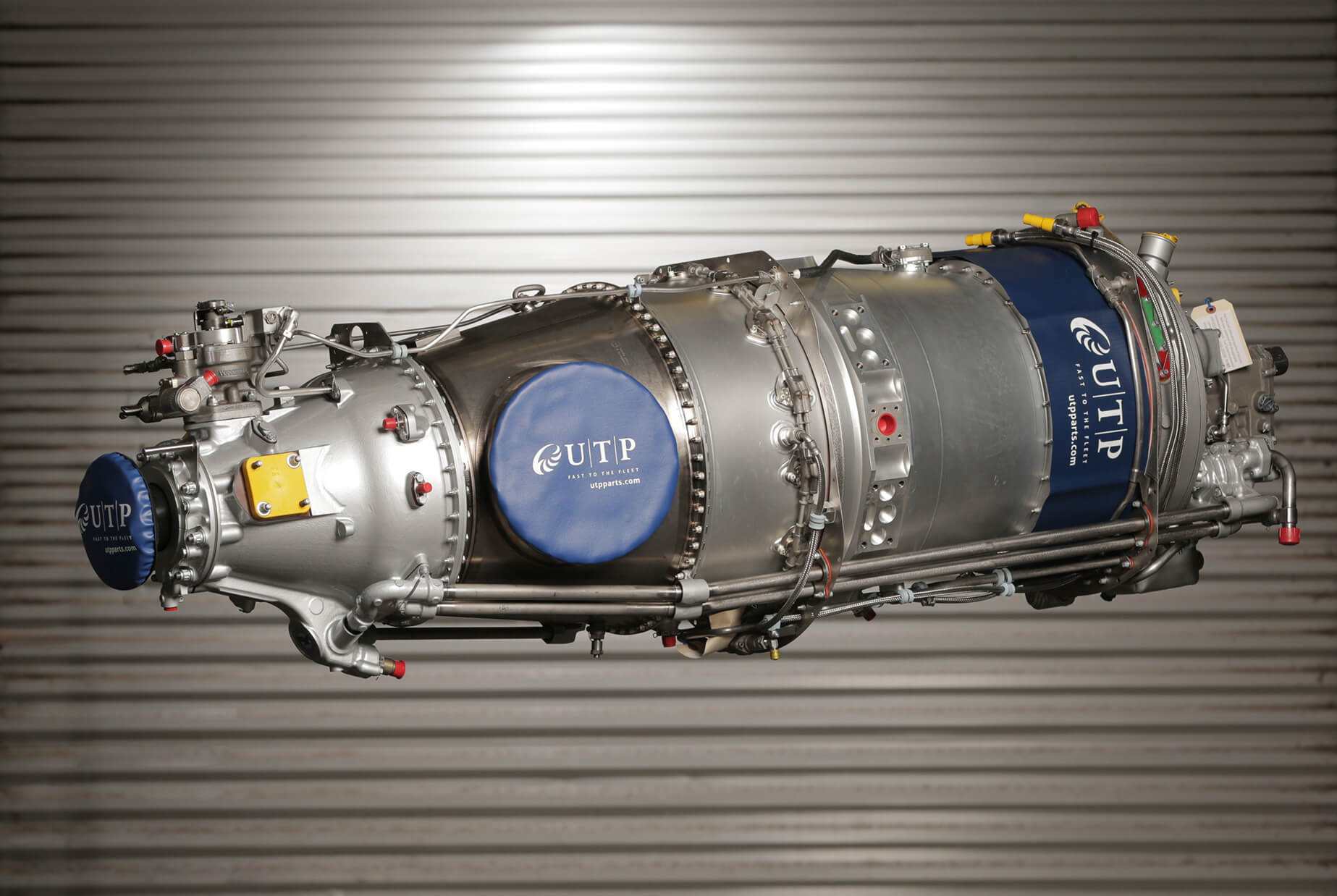
PT6A-67D Engine Profile: The Pilatus PC-12/45 Powerplant
The PT6A-67D produces 1,200 shaft horsepower and is the designated powerplant for the Pilatus PC-12/45—a variant of the celebrated PC-12 platform that has established itself as one of the most versatile and commercially successful single-engine turboprops in aviation history. The PC-12/45 designation reflects the aircraft variant and its maximum takeoff weight rating, and is powered specifically by the PT6A-67D, not by other PT6A-67 family variants.
The PC-12/45 operates across a wide range of roles, including business aviation, air ambulance, cargo, skydiving, aerial survey, and government utility. Its combination of pressurized cabin, long range, STOL capability, and all-weather avionics has made it the aircraft of choice for operators who require a single aircraft to fulfill multiple roles. The global PC-12/45 fleet is concentrated primarily in North America, Europe, Australia, and Africa.
At 1,200 shp, the PT6A-67D sits at the top of the PT6A power band, producing the highest shaft horsepower of any PT6A variant in the secondary market. This power output, combined with the single-engine configuration of the PC-12/45, makes engine condition assurance and maintenance planning particularly significant for operators.
PT6A-67D vs PT6A-67R: Critical Distinction for PC-12 Buyers
The PT6A-67D and PT6A-67R are both high-power PT6A-67 family variants that power Pilatus PC-12 aircraft. They are not interchangeable, and the distinction between them is the most common applicability error made by buyers in the PC-12 engine market.
| Specification | PT6A-67D | PT6A-67R |
| Shaft Horsepower | 1,200 shp | 1,200 shp |
| PC-12 Application | PC-12/45 (earlier production) | PC-12 NG (next generation, later production) |
| TBO | 3,600 hours | 3,600 hours |
| Part Number | Distinct—not interchangeable | Distinct—not interchangeable |
| Installation | PC-12/45-specific configuration | PC-12 NG-specific configuration |
| Interchangeable? | No—STC required | No—STC required |
| IMPORTANT: Installing a PT6A-67R in a PC-12/45 that requires a PT6A-67D, or vice versa, creates an immediate airworthiness finding. Verify the exact variant designation against the aircraft serial number and TCDS before any purchase. Do not rely on the shared PC-12 platform name to assume interchangeability. |
PT6A-67D Airframe Applications
The PT6A-67D is approved for the Pilatus PC-12/45, along with any additional airframe configurations specified in the PT6A-67D Type Certificate Data Sheet. The table below summarizes the primary PC-12/45 operational roles and their relevance to engine sourcing.
| PC-12 NG Operational Role | Operator Profile | Engine Sourcing Notes |
| Business aviation / corporate | Owner-flown and managed aircraft | Lower utilization; logbook quality typically high |
| Air ambulance / medevac | Medical transport operators | High utilization and time-sensitive operations; AOG planning critical |
| Cargo / freight | Regional cargo carriers | Higher cycle rates; verify cycle count in addition to TSO |
| Skydiving / jump operations | Jump operations, high-cycle profile | Very high cycle rates; cycle count verification essential |
| Government / surveillance | Law enforcement, border control, survey | Often modified; confirm STC and configuration documentation |
Single-Engine Operations: Why PT6A-67D Maintenance Planning Is Different
The PC-12/45 is a single-engine aircraft. The PT6A-67D is the aircraft sole source of propulsion. This creates a risk and planning profile that is fundamentally different from twin-engine platforms where one engine can maintain flight in the event the other is lost. This means three things for PT6A-67D operators:
Proactive TBO Planning
Waiting until TBO to begin sourcing a replacement PT6A-67D creates unnecessary AOG risk. Most professional PC-12/45 operators in commercial, cargo, and air ambulance roles begin sourcing their next engine 60 to 90 days before the expected TBO event. This allows adequate lead time to identify a qualified replacement, complete due diligence, and have the engine available when the aircraft enters scheduled maintenance.
AOG Response Capability
An unexpected PT6A-67D removal on a revenue-producing PC-12/45 grounds the aircraft immediately and completely. Operators in commercial roles who rely on the aircraft for charter, cargo, or medical transport should establish a clear AOG sourcing protocol in advance. UTP maintains active PT6A-67D sourcing relationships that support expedited AOG response for PC-12/45 operators. Having UTP pre-qualified as an AOG sourcing resource before an event occurs reduces response time when it matters.
Documentation Premium
For a single-engine aircraft, the consequences of a post-purchase documentation finding—a gap in the logbook, an unresolved AD, or an overhauled engine from a non-certificated facility—are more disruptive than on a twin-engine platform where the aircraft can continue to operate while the issue is resolved. PC-12/45 operators consistently place higher relative value on documentation quality in PT6A-67D transactions than operators of twin-engine aircraft, because the downside of a documentation finding is total aircraft grounding.
How UTP Sources PT6A-67D Engines
UTP sources PT6A-67D engines through established relationships with PC-12/45 operators, Pilatus authorized service centers, overhaul facilities with PT6A-67 family ratings, aircraft dealers, and fleet transition programs active in the PC-12 market. The PC-12/45 fleet is well-concentrated geographically, making direct operator relationships a more efficient sourcing channel than broad market queries.
For serviceable and overhauled PT6A-67D units, qualified options are typically identified within 10 to 20 business days. Run-out cores from scheduled TBO events are available with shorter lead times. Contact UTP with your aircraft serial number, the confirmed PT6A-67D designation, required condition, and timeline. AOG situations receive priority handling, contact UTP directly for time-sensitive sourcing.
PT6A-67D Engine Condition Guide
New / Zero-Time
Factory-new PT6A-67D engines are available on a limited basis. New units carry the full 3,600-hour TBO, complete manufacturer documentation, and the lowest near-term maintenance exposure. New surplus units are infrequent for this variant. Highest acquisition cost in the PT6A-67D market.
Serviceable Mid-Time
Operated PT6A-67D engines with documented TSN and TSO remaining. For high-cycle applications such as skydiving or cargo operations, cycle count verification in addition to TSO is standard due diligence. A borescope inspection from an independent A&P mechanic is non-negotiable for any used PT6A-67D purchase, given the single-engine risk profile of the PC-12/45. Logbook completeness is a higher priority for single-engine operators than for twin-engine buyers.
Overhauled / Zero-Time Since Overhaul
PT6A-67D engines restored to serviceable or new-limits condition by an FAA-certificated repair station with PT6A-67 family ratings. A zero-time overhaul resets both TSN and TSO and ships with a new FAA Form 8130-3. Confirm the facility holds current FAA repair station certification with specific PT6A-67D authorization before accepting any overhauled unit.
Run-Out / Core
PT6A-67D cores are available from scheduled TBO events in the PC-12/45 fleet. Core value depends on TSN/TSO, logbook completeness, and physical condition of the hot section and gearbox. UTP accepts PT6A-67D cores as trade-in toward serviceable or overhauled replacement units. Contact UTP with engine serial number, TSN, and TSO for a core evaluation.
What Most PT6A-67D Buyers Get Wrong
The most common mistake in PT6A-67D transactions is failing to verify the PT6A-67D versus PT6A-67R distinction before beginning a purchase discussion. Both variants are marketed in the context of the Pilatus PC-12, and sellers who are not aviation professionals sometimes list units without confirming which PC-12 production series the engine serves. A PT6A-67R is not suitable for installation in a PC-12/45 that requires a PT6A-67D. Confirming the variant against the aircraft serial number takes minutes and prevents a finding that can ground the aircraft indefinitely.
The second common mistake is underestimating the documentation standard required for a single-engine commercial operation. PC-12/45 operators in air ambulance, charter, and cargo roles routinely face stricter documentation requirements from their insurance carriers and operating certificate holders than operators of twin-engine aircraft. An engine with documentation gaps that might be manageable on a twin-engine platform can create certificate or insurance issues on a single-engine commercial operation. UTP reviews every PT6A-67D documentation package before presenting options to commercial operators.
PT6A-67D Engine Buying Checklist
- Confirm exact PT6A-67D designation—not PT6A-67R—against aircraft TCDS and serial number
- Verify complete and continuous logbook records from new with no missing entries
- Confirm full AD compliance record with all applicable directives addressed
- Request current borescope inspection report from an independent A&P mechanic
- For high-cycle applications (skydiving, cargo): request cycle count in addition to TSO
- Confirm overhaul facility holds current FAA repair station certificate with PT6A-67D ratings
- Verify FAA Form 8130-3 is present, current, and matches the engine serial number exactly
PT6A-67D Engine Pricing: Market Overview
The PT6A-67D trades at the high end of the PT6A price spectrum, reflecting the 1,200 shp power class and the premium business aviation buyer profile of the PC-12/45 market. Pricing is influenced by condition class, remaining TBO hours, operational history type, and current PC-12/45 market activity.
| Market pricing as of Q2 2026. High-cycle operational history (skydiving, cargo) typically prices at a discount to business aviation and air ambulance units at equivalent TSO. |
| Condition | Typical Price Range | Notes |
| Run-out / Core | $100,000 – $180,000 | Strong exchange value from active PC-12/45 TBO cycle |
| Serviceable Mid-Time | $250,000 – $450,000 | Premium for business aviation and medevac history; verify cycle count for jump/cargo |
| Overhauled / Zero-Time | $400,000 – $600,000 | Confirm PT6A-67D-specific authorization and overhaul scope |
| New / Factory New | Market on request | Limited secondary market availability; primarily through authorized channels |
For PC-12/45 operators, total cost of ownership should account for the 3,600-hour TBO interval, the higher parts cost associated with the 1,200 shp class, and the operational downside of any unplanned engine removal on a single-engine aircraft. Proactive maintenance planning and established relationships with qualified engine suppliers are cost management tools that deliver measurable value over the life of the aircraft.
How to Buy a PT6A-67D Engine from UTP
Start with a direct inquiry. Provide your aircraft make, model, serial number, the confirmed PT6A-67D designation, operational role, preferred condition, and timeline. UTP confirms variant applicability, initiates sourcing through established PC-12/45 market channels, and presents qualified options with full documentation details.
Support includes:
- PT6A-67D variant confirmation against PC-12/45 serial number and TCDS
- Logbook and documentation review on every option before presentation
- Pre-purchase borescope inspection coordination
- Core exchange valuation for run-out PT6A-67D units
- AOG expedite for unplanned PC-12/45 engine removals
- Proactive TBO planning support for commercial PC-12/45 operators
All PT6A-67D engines ship with complete logbook copies, current FAA Form 8130-3, and an AD compliance summary. Export documentation and EASA Form 1 equivalency paperwork available for international buyers.
Frequently Asked Questions—PT6A-67D Engines for Sale
The PT6A-67D is the primary engine for the Pilatus PC-12/45 single-engine turboprop, along with select configurations of related Pilatus platforms. The PC-12/45 was produced from 1994 through the early 2000s and represents one of the most successful single-engine turboprop programs in business aviation history. As with all PT6A variants, the exact designation must be verified against the specific aircraft serial number and Type Certificate Data Sheet before sourcing. UTP confirms airframe applicability before presenting any PT6A-67D options.
The PT6A-67D and PT6A-67R are both members of the PT6A-67 family and both power Pilatus PC-12 aircraft, but they are approved for different production series and are not interchangeable. The PT6A-67D is the engine for the PC-12/45 (earlier production series), while the PT6A-67R is the engine for the PC-12 NG (next generation, later production). Both produce approximately 1,200 shaft horsepower but differ in installation configuration, software, and approved airframe applications. Installing a PT6A-67R in a PC-12/45 that requires a PT6A-67D creates an airworthiness finding. Always verify the exact designation against the aircraft TCDS and serial number before sourcing.
The PT6A-67D benefits from an active secondary market driven by the substantial global fleet of Pilatus PC-12/45 aircraft. The PC-12/45 production run spanned approximately a decade, creating a fleet of several hundred aircraft worldwide in business aviation, air ambulance, cargo, and government roles. This fleet generates consistent PT6A-67D supply through scheduled TBO events and aircraft sales. Secondary market activity is strongest in North America, Europe, and Australia, which together account for the majority of the global PC-12/45 fleet. UTP typically identifies qualified PT6A-67D options within 10 to 20 business days.
PC-12/45 operators evaluating a used PT6A-67D should confirm the exact variant designation (PT6A-67D versus PT6A-67R) against the aircraft serial number and TCDS as the first step. Beyond variant verification, the standard due diligence applies: complete and continuous logbook from new, a current AD compliance record, and a borescope inspection from an independent A&P mechanic. For a single-engine aircraft like the PC-12/45, where the powerplant is the sole propulsion source, condition assurance carries additional weight compared to twin-engine platforms where one engine can compensate for degraded performance in the other. UTP reviews documentation on every PT6A-67D before presenting options to buyers.
Full overhaul costs for a PT6A-67D typically range from $180,000 to $300,000 per engine depending on the scope of work, parts condition at teardown, and the overhaul facility. The 1,200 shp power class carries higher parts costs than lower-powered variants, and the PT6A-67D hot section components are priced accordingly. Mid-time overhauls targeting the hot section specifically can be performed for $80,000 to $150,000 depending on the scope required. These ranges vary based on parts condition discovered during teardown, current OEM parts pricing, and facility labor rates. UTP can provide referrals to certificated PT6A-67D overhaul facilities upon request.
In a single-engine aircraft like the PC-12/45, the PT6A-67D is the sole source of propulsion for the aircraft. This creates a fundamentally different risk profile compared to twin-engine operations, where one engine can maintain flight in the event of the other failing. For PC-12/45 operators, this means engine condition assurance and proactive maintenance planning carry greater operational significance. Most PC-12/45 operators in commercial, cargo, or high-utilization roles maintain an active spare engine program or establish relationships with engine suppliers who can provide rapid AOG response. Sourcing a replacement engine in advance of a scheduled TBO event, rather than waiting until the engine is removed, is standard practice among professional PC-12 operators and significantly reduces potential ground time.